
Vibrating Screen
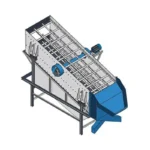
The Rockwell Crusher vibrating screen (sand and gravel screen) for grading aggregates; available in five models with capacities of 80 to 300 tons per hour and one to four mesh decks. Built in the Rockwell Crusher workshop in Shahr-e Qods, with installation, meshes, spare parts and after-sales service.
- Designed and built in the Rockwell Crusher workshop, Shahr-e Qods
- Fast spare parts supply
- Installation, commissioning and after-sales service
Vibrating Screen
A vibrating screen separates crushed rock into several products based on particle size, from coarse gravel to sand. The Rockwell Crusher vibrating screen comes in five models, with capacities of 80 to 300 tons per hour and one to four screen decks, and is fully built in our workshop in Shahr-e Qods so that every production line gets exactly the gradation it needs.
Application
Grading sand and gravel in aggregate production lines. The screen is usually placed after the crushers: correctly sized particles are separated as final products, and oversized particles return to the crusher for re-crushing.
Made by Rockwell Crusher
This machine is fully designed and built in the Rockwell Crusher workshop in Shahr-e Qods. As a result, its spare parts and screen meshes are always available, and our technical team is there for you for installation, commissioning and after-sales service.
Applications
Which Industries Use Vibrating Screens?
Vibrating screens are found in almost every crushing and aggregate processing line. In a production line, the screen is usually placed after the jaw crusher and impact crusher , and material reaches it via a belt conveyor .
Sand and gravel grading
Separating sand, pea gravel, coarse and fine gravel for concrete, asphalt and building materials.
Soil and impurity removal
Removing soil and fines before crushing for higher product quality and less crusher wear.
Metal and non-metal mines
Grading iron ore, limestone, dolomite, gypsum and silica in processing plants.
Aggregate washing
By installing water sprays on the screen, mud and silt are separated from the material — usually together with a spiral sand washer.
How Does a Vibrating Screen Work?
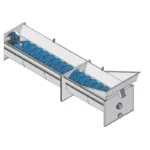
- Material enters the top deckCrushed rock falls from the belt conveyor onto the top deck of the screen.
- Vibration and movement on the meshThe vibrating screen body spreads the material over the inclined meshes and moves it forward.
- Smaller particles pass throughParticles smaller than the mesh openings fall to the deck below. Each deck has a finer mesh than the one above it.
- Separate product dischargeMaterial retained on each deck exits from the end of that deck, and each one is a product with a specific gradation.
Rockwell Crusher Vibrating Screen Features
Solid, durable body
The body is made of one-piece plates without weld seams to withstand continuous vibration.
Seamless pipe decks
The decks are made of seamless (Mannesmann) pipes to prevent breaking and cracking.
Quick mesh replacement
Installing and replacing meshes is quick and easy, so gradation changes or servicing cause less downtime.
Adjustable vibration amplitude
The vibration amplitude is adjusted to suit the material type and required capacity.
Alloy steel shafts
The machine’s shafts are made of alloy steel to withstand heavy, continuous operation.
Reliable bearings
Double-row spherical roller bearings and a complete lubrication system for stable, trouble-free operation.
Machine Structure
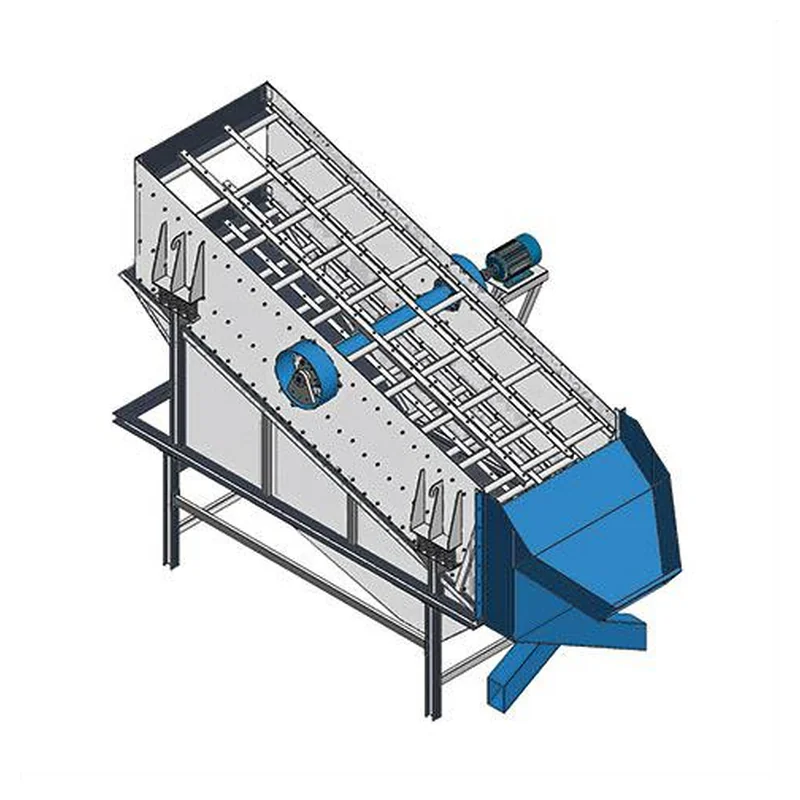
Main Components of a Vibrating Screen
Knowing the components of a vibrating screen helps with better maintenance, correct machine adjustment and timely sourcing of spare parts.
Body and side walls
The main structure of the screen on which the decks and vibrator are mounted; it must withstand continuous vibration.
Deck and mesh
Each screen level has a deck onto which the mesh is fastened. The mesh opening size determines which particles pass through that deck.
Vibrator (eccentric shaft)
The rotation of the shaft and unbalanced weights creates the vibration needed to move and separate material on the mesh.
Vibration-damping springs
The screen body sits on springs so the vibration is not transmitted to the chassis and supporting structure.
Electric motor and belts
The electric motor’s power is transmitted to the vibrator shaft by belts.
Chassis
The base on which the screen is mounted at the proper angle.
Types
Types of Vibrating Screens by Number of Decks
The number of screen decks depends on how many products the production line needs to separate. Each mesh deck divides the material into a finer and a coarser fraction.
Single-deck screen
For separating one size, such as removing soil or separating sand from gravel.
Double-deck screen
For producing three products, e.g. sand, fine gravel and coarse gravel.
Three-deck screen
The most common choice in sand and gravel lines, producing four products such as sand, pea gravel, medium gravel and coarse gravel.
Four-deck screen
For lines that require precise gradation and a larger number of products.
Technical Specifications Table
| Model | Capacity (t/h) | Power (kW) | Number of decks |
|---|---|---|---|
| 5*1.5 | 100 to 140 | 15 | 1 to 3 |
| 6*1 | 80 to 120 | 15 | 1 to 3 |
| 6*1.5 | 140 to 200 | 15 | 1 to 4 |
| 6*1.8 | 160 to 240 | 18.5 | 1 to 4 |
| 6*2 | 180 to 300 | 18.5 | 1 to 4 |
Which Model Should I Choose? The two main factors are line capacity and the number of products required. Each mesh deck splits the material into two fractions, so a three-deck screen produces four products with different gradations. For an accurate selection, share your line capacity and product gradations with our experts.
Price
What Determines the Price of a Vibrating Screen?
The price of a vibrating screen is not a fixed figure and depends on the model and order conditions. The most important factors are:
Dimensions and number of decks
The greater the screen’s length, width and number of decks, the higher its weight and price.
Mesh type and material
Woven steel, polyurethane or rubber meshes differ in price and service life.
Electric motor and bearings
The quality of the electric motor, bearings and shafts directly affects the machine’s life and maintenance costs.
Transport, installation and after-sales service
The cost of transport to the mine, installation, commissioning and support should also be considered when comparing prices.
Up-to-date price inquiry: The Rockwell Crusher vibrating screen is built directly in our own workshop, with no middleman involved. For an accurate quote, tell our experts your line capacity, the number and size of products you need and the material type.
From Our Workshop
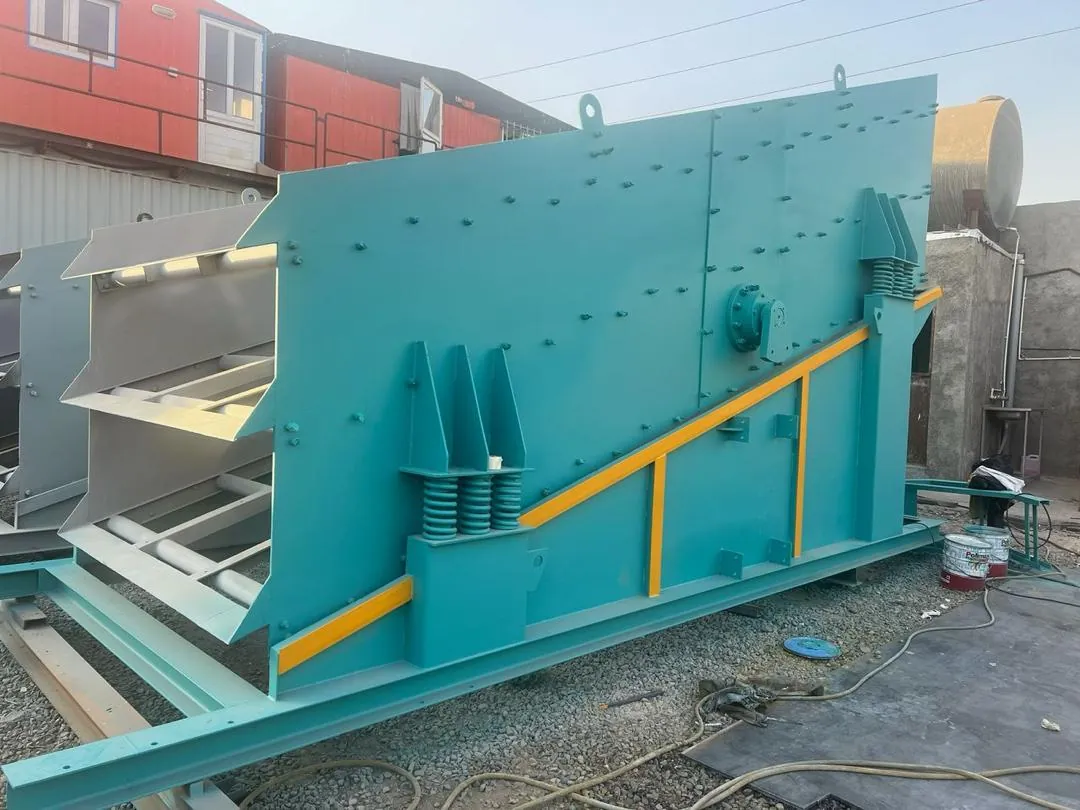
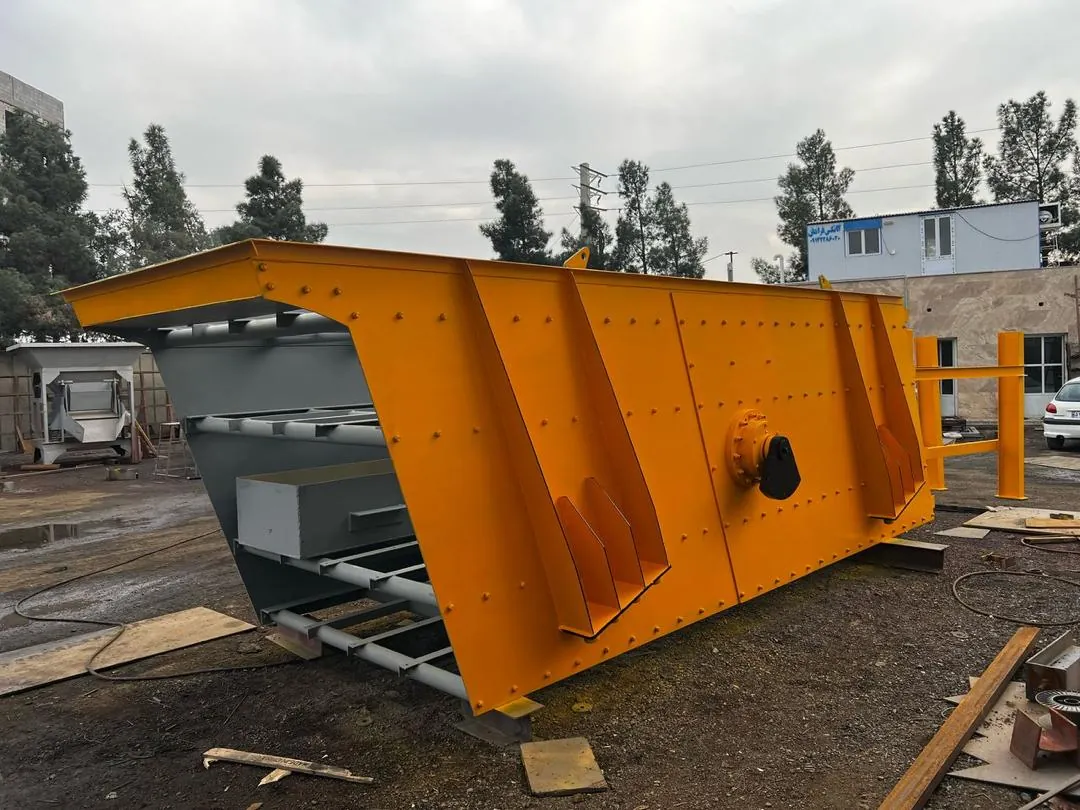
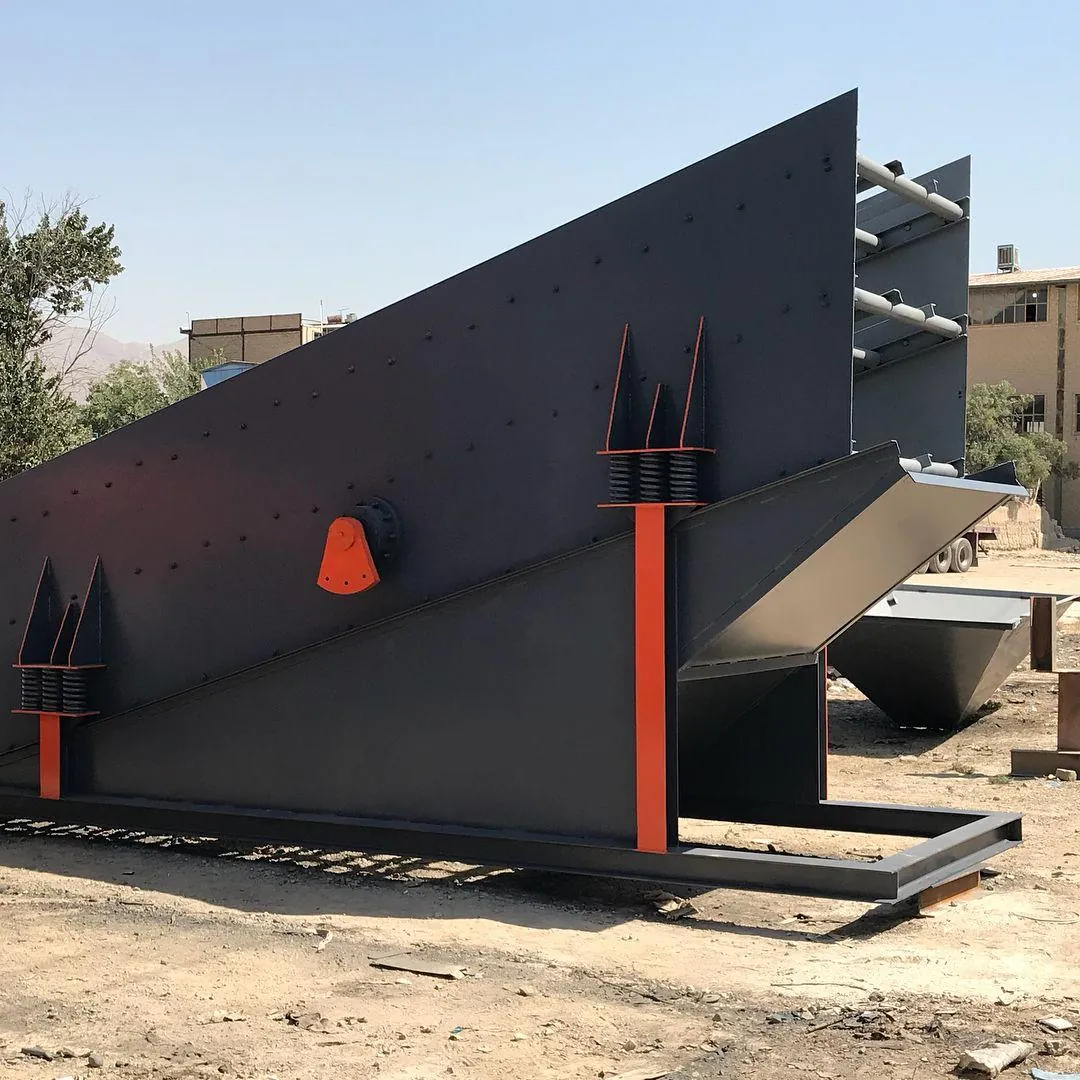
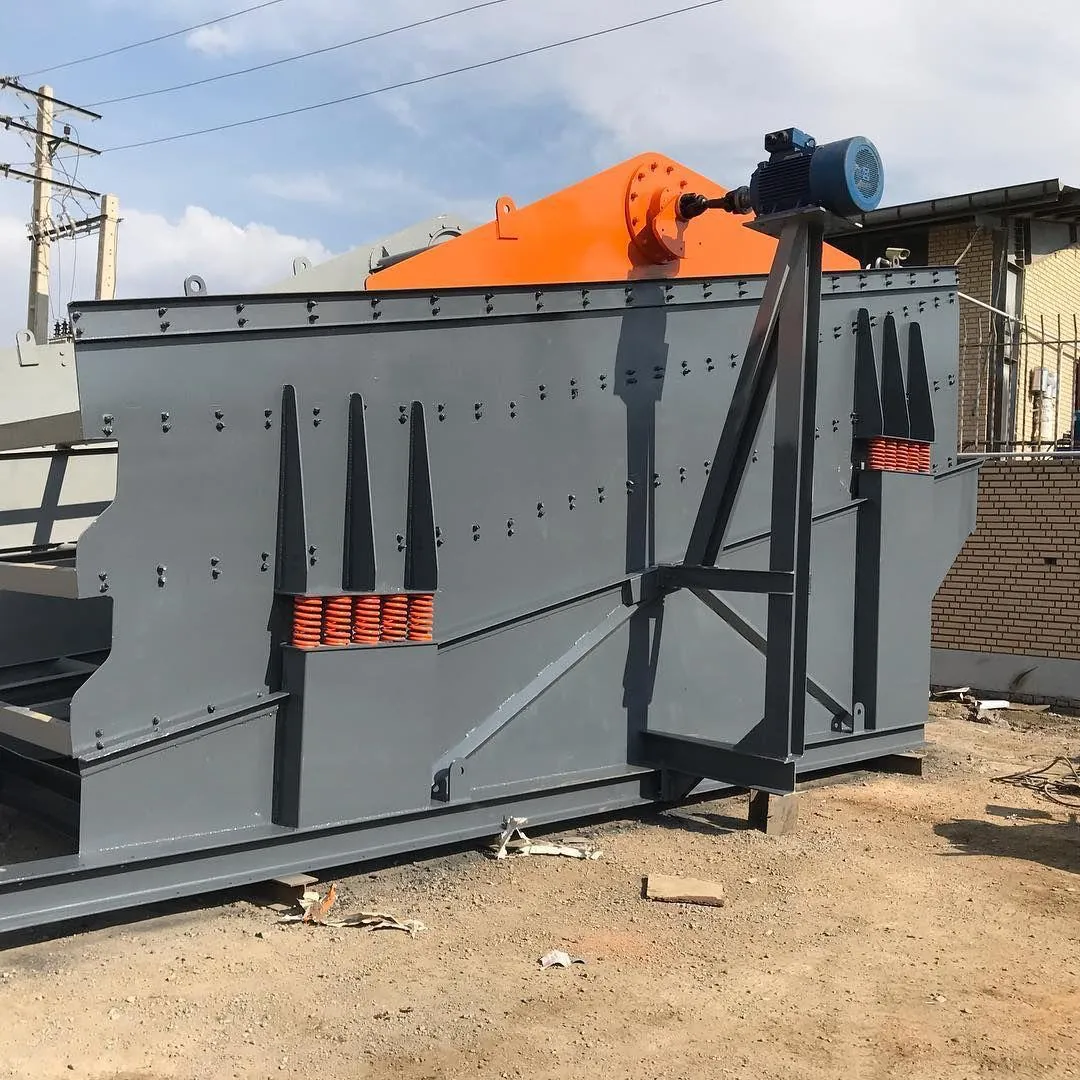
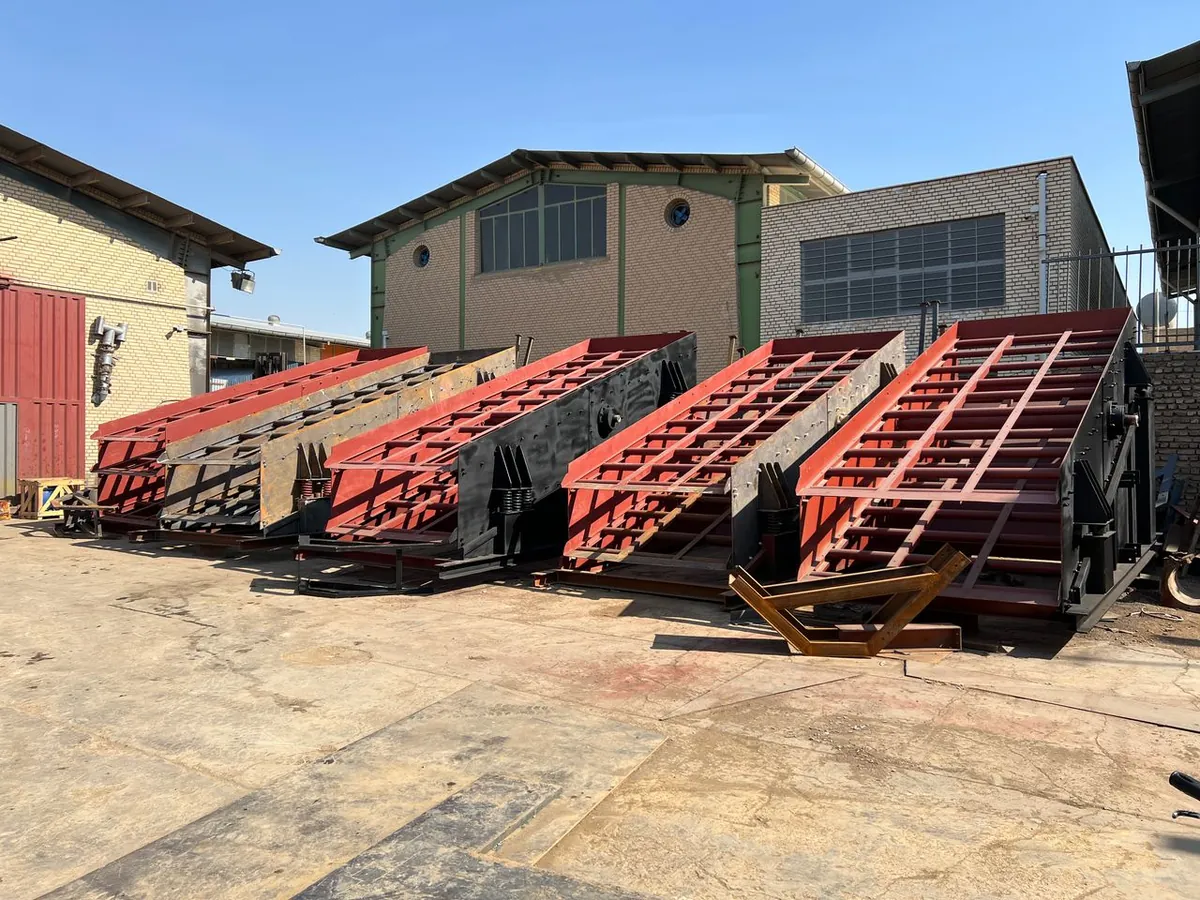
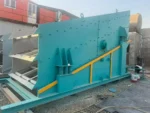
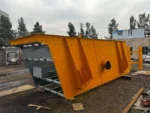
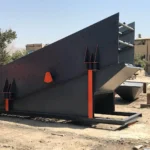
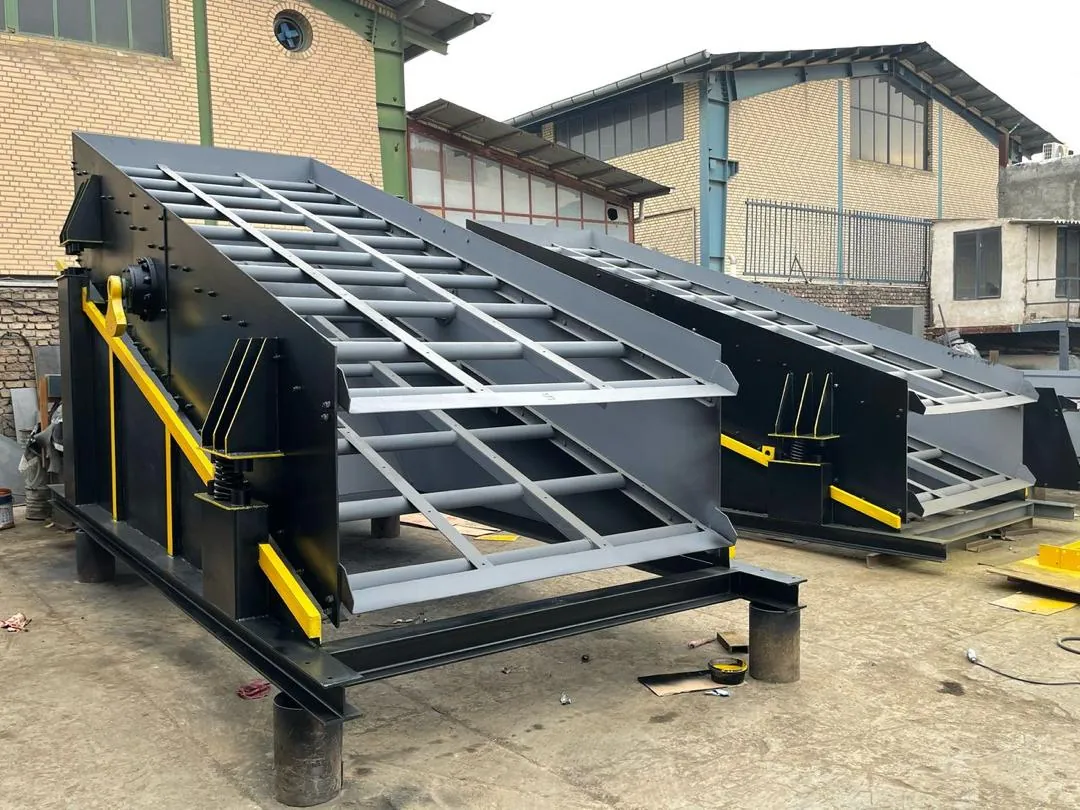
Rockwell Crusher Vibrating Screens in the Workshop
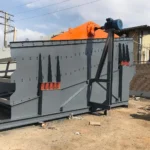
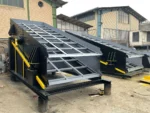
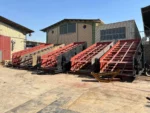
These photos show screens built in the Rockwell Crusher workshop in Shahr-e Qods. To see more of our work, visit the Projects .
FAQ
Frequently Asked Questions About Vibrating Screens
How many screen decks do I need?
It depends on the number of products you need. Each deck creates one gradation cut; for example, a three-deck screen produces four separate products.
How do I choose the mesh opening size?
Based on the gradation standard of the final product, e.g. concrete sand or pea and medium gravel. Our experts recommend the right opening for each deck based on your material and required product.
Why does screening efficiency drop?
The main reasons are overloading, blinded mesh openings, torn or loose meshes, incorrect angle and vibration amplitude, and high material moisture.
How long does a screen mesh last?
It depends on the mesh material, the abrasiveness of the material and operating hours. Keeping the mesh tight on the deck and inspecting it regularly extends its life.
What is the difference between a vibrating screen and a sand washer?
A screen separates material by size, while a sand washer washes mud, silt and fines out of the sand. In washed sand production lines, these two machines work side by side.
Does Rockwell Crusher also handle installation and spare parts?
Yes. Because the machine is built in our own workshop, meshes, springs, bearings and other spare parts are available, and the Rockwell Crusher technical team is with you for installation, commissioning and after-sales service.
General Specifications
Read more: Oversized particles from the screen usually return to the cone crusher , and for sand production the VSI crusher is used. To learn why washing sand after screening matters, read our article What Is Washed Sand? .
Vibrating Screen Price Inquiry
For pricing and advice on choosing the right model and number of decks for your production line, contact Rockwell Crusher’s experts.