




Blog
How to Choose a Jaw Crusher Size: Capacity Table, Calculator and 6 Selection Steps

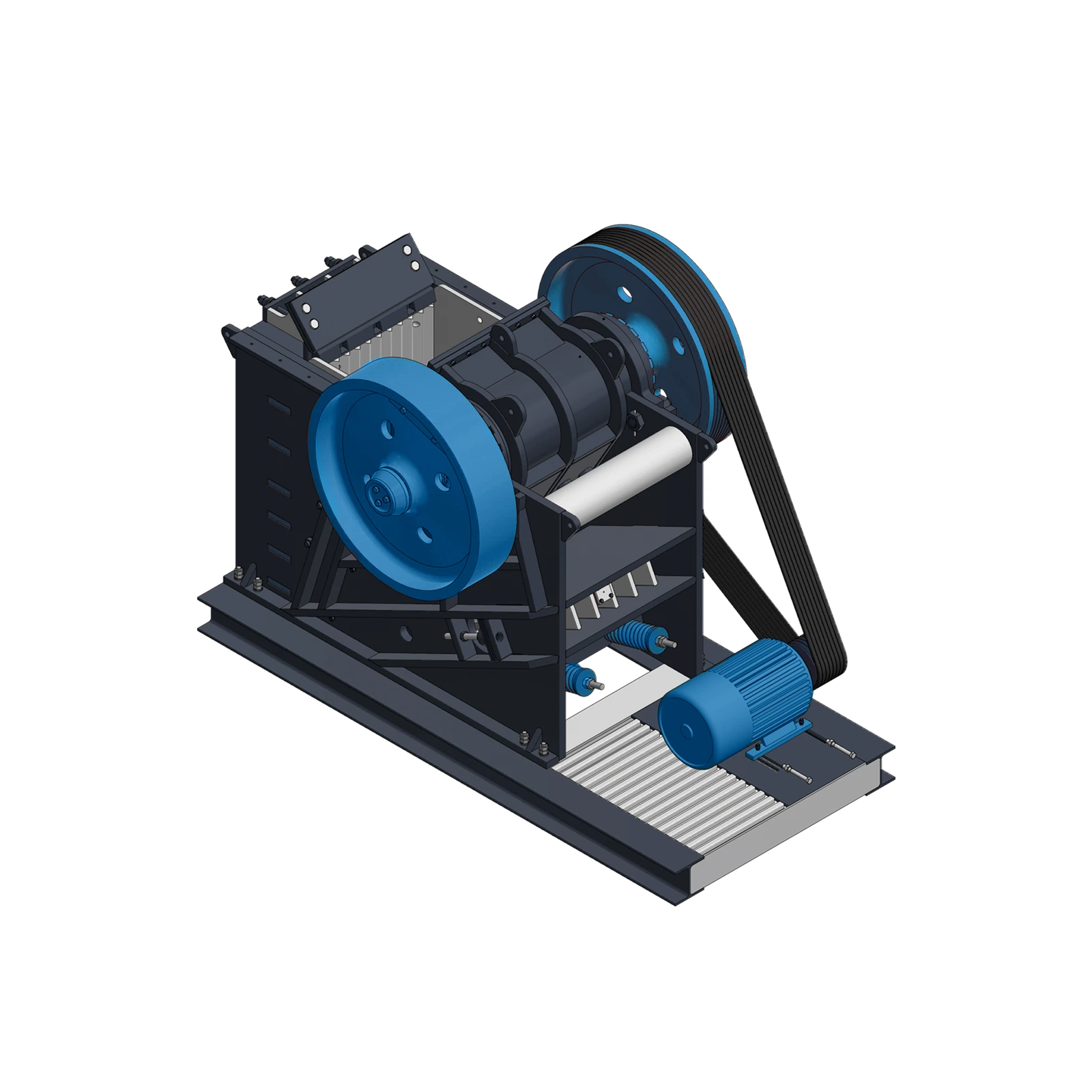
Choosing the right jaw crusher size is the most important decision in designing a crushing plant. Too small an opening and run-of-mine rock gets stuck; too little capacity and the whole plant slows down.
This guide explains what jaw crusher size means, what affects capacity, and how to use the calculator on this page to pick the right size from Rockwell Crusher’s 11 sizes.
In a nutshell
- Rule 1: the largest feed lump should not exceed about 80 to 85 percent of the opening width.
- Rule 2: choose capacity with a 10 to 20 percent margin over what the plant needs.
- Rule 3: match the discharge setting to the feed of the secondary crusher; a jaw crusher’s reduction ratio is 4 to 6.
- Full specifications: on the Rockwell Crusher jaw crusher page.
What Does Jaw Crusher Size Mean?
A jaw crusher is sized by its feed opening. For example, 90×110 means an opening 90 cm wide (the gap between the fixed and moving jaw at the top) and 110 cm long (the width of the jaws). The same size is sometimes written in inches or as 900×1100 mm.
- Opening width decides the largest feed lump.
- Opening length mainly affects capacity; a wider opening accepts more rock at once.
- Discharge setting (the gap at the bottom of the jaws) sets the product size and is adjustable.
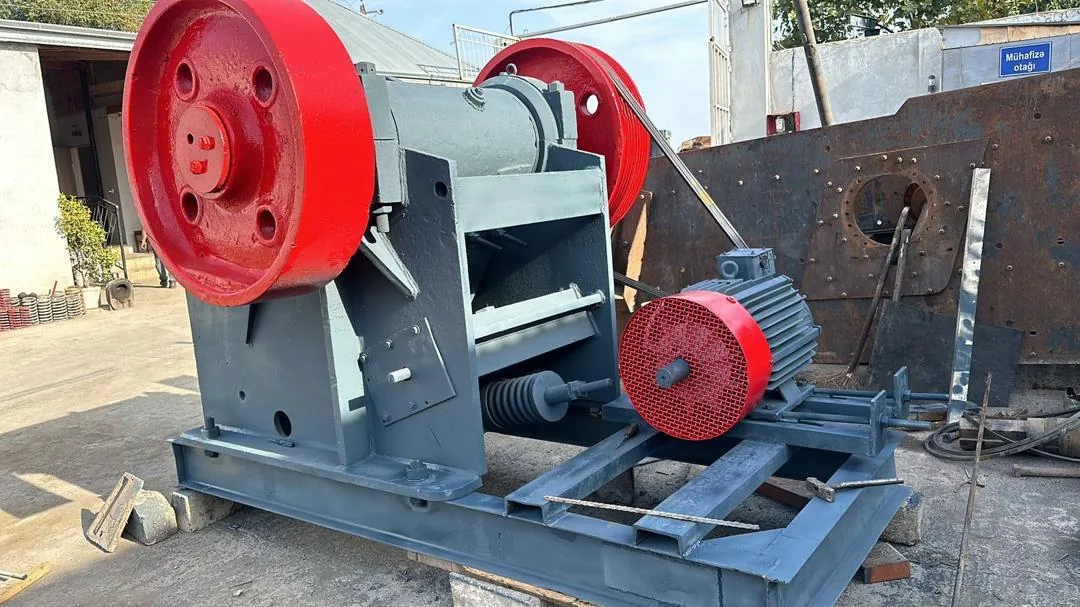
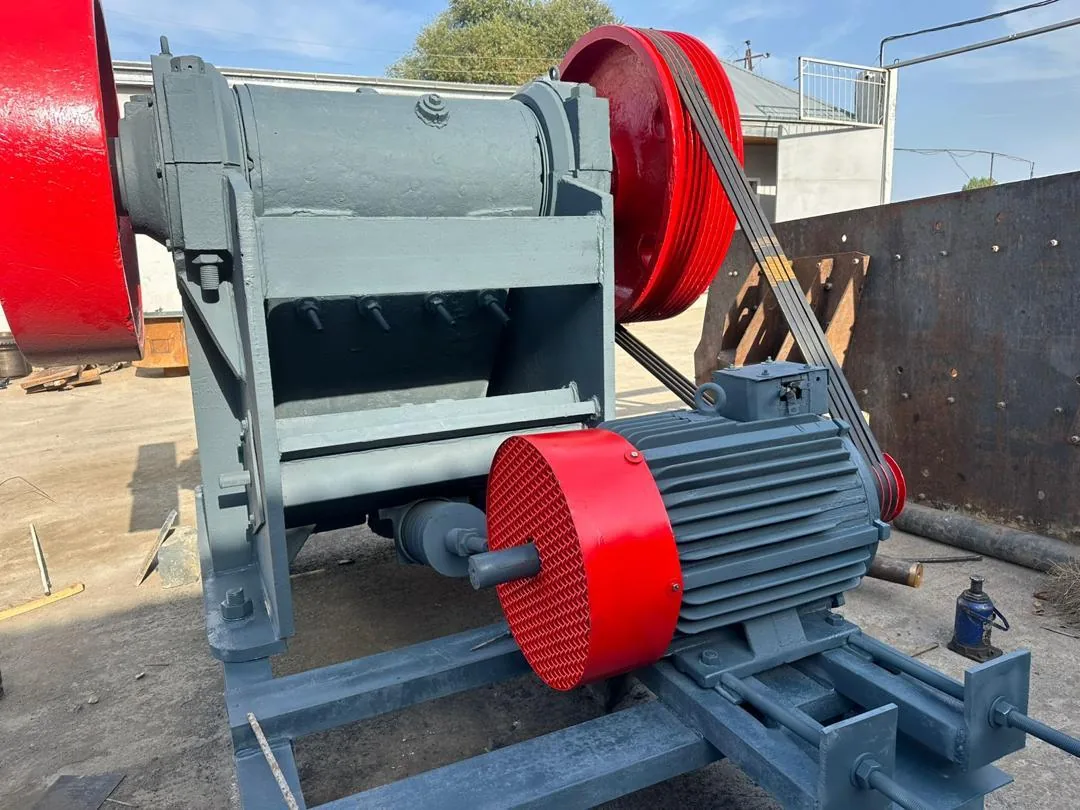
6 Steps to Choose a Jaw Crusher Size
- Measure the largest rock: the biggest lump the excavator or loader drops into the hopper, not the average. The opening width should be about 1.2 times this figure.
- Define the real plant capacity: the tonnes per hour that must enter the plant, considering daily operating hours and a 10 to 20 percent margin.
- Know your rock: hard, abrasive rock (granite, basalt, river cobbles) lowers capacity slightly and increases jaw wear.
- Check fines and moisture: if the feed has a lot of soil and fines, install a grizzly feeder before the jaw crusher to scalp them off.
- Match the discharge to the next stage: the jaw product must suit the feed of the hydrocone or impact crusher.
- Check power, foundation and site: motor power and weight rise with size, and a solid foundation is needed.
Rockwell Crusher Jaw Crusher Sizes and Capacities
All the sizes below are single-toggle and built in the Rockwell Crusher workshop in Shahr-e Qods, Tehran:
| Opening size (cm) | Max. feed (cm) | Discharge setting (cm) | Capacity (t/h) | Motor (kW) | Weight (kg) |
|---|---|---|---|---|---|
| 30×90 | 25 | 3–10 | 60 | 55 | 7,500 |
| 30×125 | 25 | 2–10 | 80–100 | 55 | 10,000 |
| 45×65 | 35 | 4–10 | 70 | 45 | 7,000 |
| 40×90 | 35 | 4–10 | 90 | 55 | 11,000 |
| 55×80 | 50 | 5–12 | 110 | 55 | 11,000 |
| 63×100 | 50 | 6.3–20 | 110 | 75 | 16,000 |
| 60×90 | 55 | 9–18 | 120 | 90 | 16,000 |
| 80×100 | 65 | 9–18 | 110 | 90 | 16,000 |
| 90×110 | 85 | 9–20 | 220–250 | 90–110 | 24,000 |
| 100×120 | 100 | 15–30 | 350 | 120–140 | 43,000 |
| 120×150 | 115 | Custom | 550 | Custom | Custom |
Jaw Crusher Size Calculator
Enter your largest feed size and required capacity to see the recommended size:
What Affects Jaw Crusher Capacity?
| Factor | Effect on capacity | Recommendation |
|---|---|---|
| Discharge setting | Tighter setting = finer product but lower capacity | Leave fine crushing to the second stage |
| Rock hardness | Harder rock = lower capacity and more wear | Quality manganese steel jaws |
| Moisture and clay | Sticking and chamber packing | Scalp fines with a grizzly feeder |
| Feed evenness | Irregular feed = half-empty chamber and lost capacity | Feeder with adjustable rate |
| Jaw wear | Worn teeth = slipping rock and lower capacity | Turn the jaws top to bottom at the right time |
| Belt tension and speed | Belt slip = flywheel speed drop | Weekly belt inspection |
Discharge Setting and Reduction Ratio
A jaw crusher’s reduction ratio is usually 4 to 6, so a 60 cm rock becomes pieces of about 10 to 15 cm. If you need a finer product, add a secondary crushing stage instead of closing the setting too much. An overly tight setting lowers capacity and increases the load on the toggle plate and bearings.
Three Real Sizing Examples
Small sand and gravel pit
River rock up to 25 cm, 80 t/h needed. The 30×125 size with 80–100 t/h fits.
Medium hard-rock plant
Quarry rock up to 50 cm, 100 t/h needed. The 55×80 or 63×100 size with about 110 t/h.
High-capacity plant
Rock up to 85 cm, 200 t/h needed. The 90×110 size with 220–250 t/h; for rock up to 1 m and 350 t/h, the 100×120.
Common Mistakes When Choosing a Jaw Crusher
- Sizing on average rock: large lumps bridge the opening and the plant keeps stopping.
- No capacity margin: as jaws wear or rock gets harder, the jaw crusher becomes the bottleneck.
- Closing the setting for a fine product: capacity drops and the toggle plate breaks early.
- Ignoring fines and clay: without a grizzly feeder, capacity is wasted on material that needs no crushing.
- Ignoring spare parts: buy a crusher whose jaws, toggle and bearings are supplied quickly and accurately.
Where the Jaw Crusher Fits in the Plant
For a full comparison of jaw, cone and impact crushers, see our crusher selection guide.
Jaw Crusher Selection FAQ
What does jaw crusher size mean?
How large can the feed to a jaw crusher be?
How is jaw crusher capacity calculated?
What discharge setting should I use?
What jaw crusher size do I need for a 200 t/h plant?
Can a jaw crusher be built with a custom capacity?
Jaw Crusher Sizing Advice and Quotation
Tell us your largest rock, rock type and required capacity, and Rockwell Crusher engineers will recommend the right size.